Non-contact, non-abrasive laser cleaning for all types of industries including heritage surfaces. Removes rust, oxides, paint, oil and other contaminations — without chemicals, abrasives or secondary waste systems.
Laser cleaning — also known as laser ablation or laser decontamination — uses short, high-energy pulses of focused light to selectively remove surface contaminants from a substrate. The laser beam interacts with the contamination layer (rust, oxide, paint, grease), causing rapid thermal expansion and vaporisation of the contaminant, while leaving the base material unaffected.
The process relies on the difference in laser energy absorption between the contaminant and the substrate. Iron oxide (Fe₂O₃/Fe₃O₄), organic coatings and carbon deposits absorb the 1064 nm fiber laser wavelength far more readily than clean steel, aluminium or stainless surfaces — creating a highly selective ablation process.
Unlike abrasive blasting or chemical stripping, laser cleaning produces no secondary contamination: the vaporised material is captured by an integrated extraction system. No blast media, no solvents, no consumables — just light.
| Technology | Laser beam |
| Power Range | 100W – 2000W |
| Pulse Duration | Nanosecond to microsecond |
| Scan Speed | Up to 30,000 mm/s |
| Spot Size | 0.1 – 10 mm (adjustable) |
| Substrate impact | Non-contact, no mechanical stress |
Laser cleaning is applicable in the heavy duty industry and in the precision surface preparation wherever contamination removal or substrate decontamination is required — without introducing mechanical stress, chemical residue or secondary contamination.
Targeted ablation of iron oxide corrosion layers (Fe₂O₃/Fe₃O₄) from carbon steel, structural steel and cast iron components. Achieves Sa 2.5 to Sa 3 surface profile equivalent without media blasting. Suitable for maintenance of structural components, pipework, marine hardware and industrial tooling.
Removal of mill scale, rust, zinc coatings, oils and organic residues from weld joint areas prior to MIG, TIG or laser welding. Laser-prepared surfaces deliver improved weld bead quality, reduced porosity and lower hydrogen-induced cracking risk compared to mechanical grinding or chemical degreasing.
Selective removal of single or multi-layer paint systems, epoxy coatings, powder coatings and zinc-rich primers from metal substrates. The laser energy is tuned to ablate the organic coating without damaging the underlying substrate — critical for aerospace skin panel maintenance, automotive restoration and heritage metalwork.
Vaporisation of hydraulic oils, machining lubricants, carbonised greases and hydrocarbon films from precision components, mould tools and cleanroom-grade equipment. Leaves a chemically clean, dry surface with no solvent residue — verified by contact angle measurement and XRF analysis.
Micro-precision cleaning of stone, bronze, terracotta and ferrous archaeological artefacts. The low average power and adjustable pulse energy enable removal of biological growth (lichen, algae), atmospheric carbonation, sulphation crusts and historical paint layers without damage to the underlying patina or substrate microstructure.
Compared to conventional surface preparation methods — abrasive blasting, chemical stripping, ultrasonic cleaning — pulsed laser ablation offers unique advantages in regulated, precision and contamination-sensitive environments.
Rust removal from structural steel, tooling maintenance, mould cleaning, pre-weld preparation and general preventive maintenance in industrial production environments.
Paint stripping from aircraft skin panels and structural components, corrosion removal from aluminium alloy and titanium parts, and pre-bonding surface activation.
Coating removal for restoration and refinishing, pre-weld surface prep on body panels, oxide cleaning on cast components and precision tooling maintenance.
Corrosion removal and surface reconditioning on pipework, pressure vessels, heat exchangers, turbine components and offshore/onshore structural steel.
Conservation-grade cleaning of stone facades, bronze sculptures, terracotta, ornamental ironwork and archaeological metalwork — approved by conservation professionals.
Hygienic cleaning of processing equipment, tank interiors and conveyor components — no chemical residue, no rinse water, fully compatible with food-safety surface standards.
Selected laser cleaning project documentation.
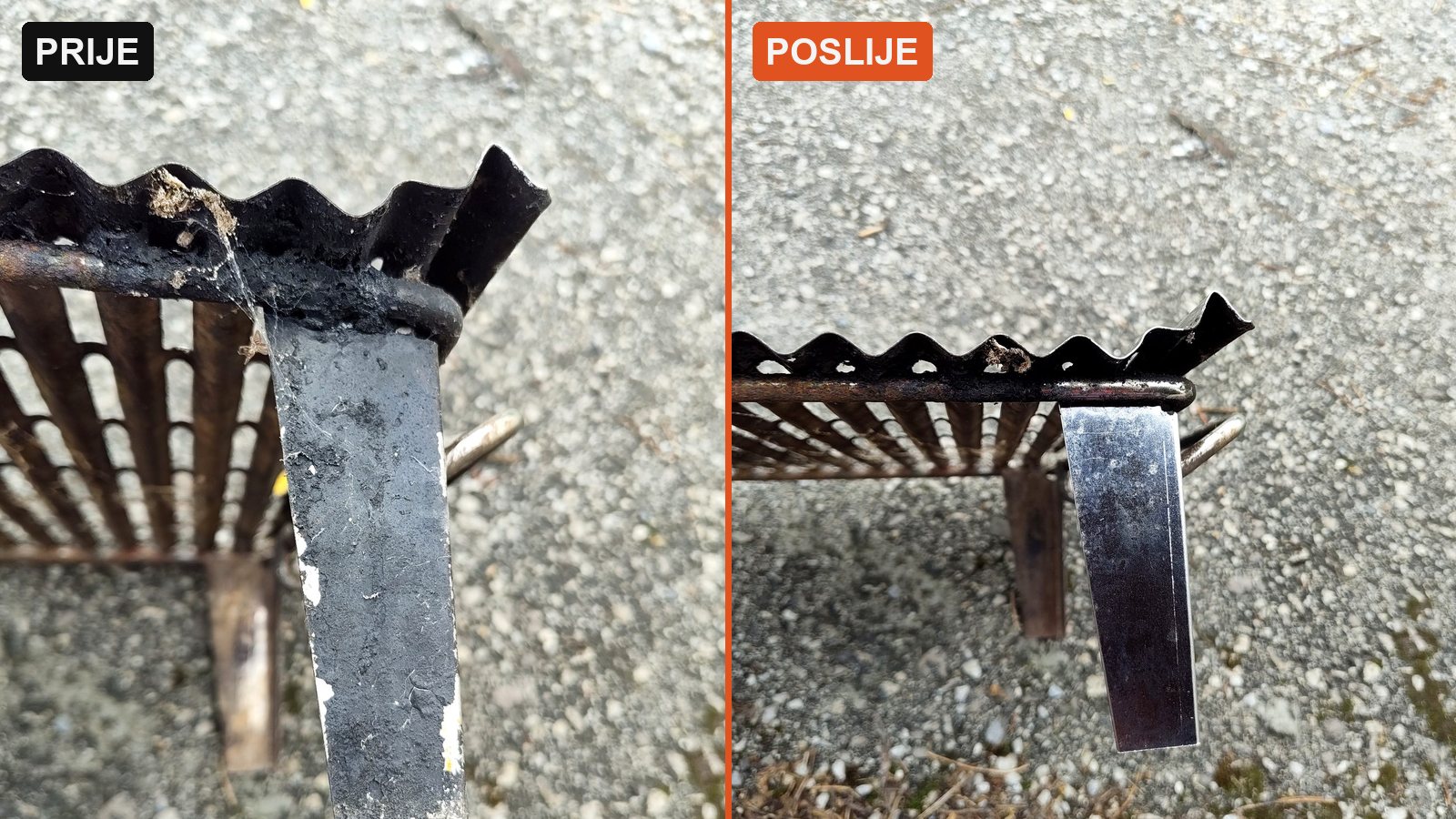
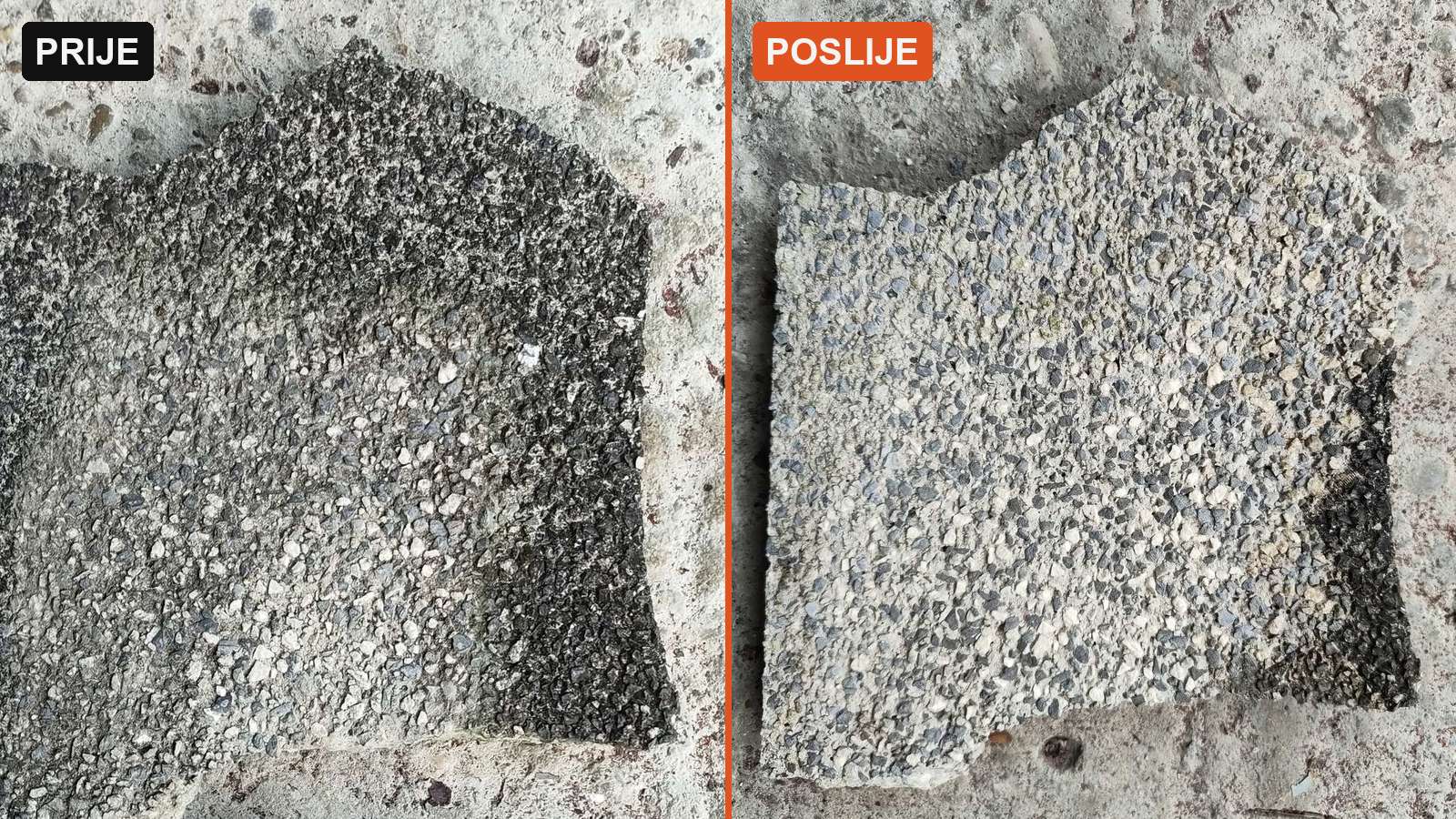
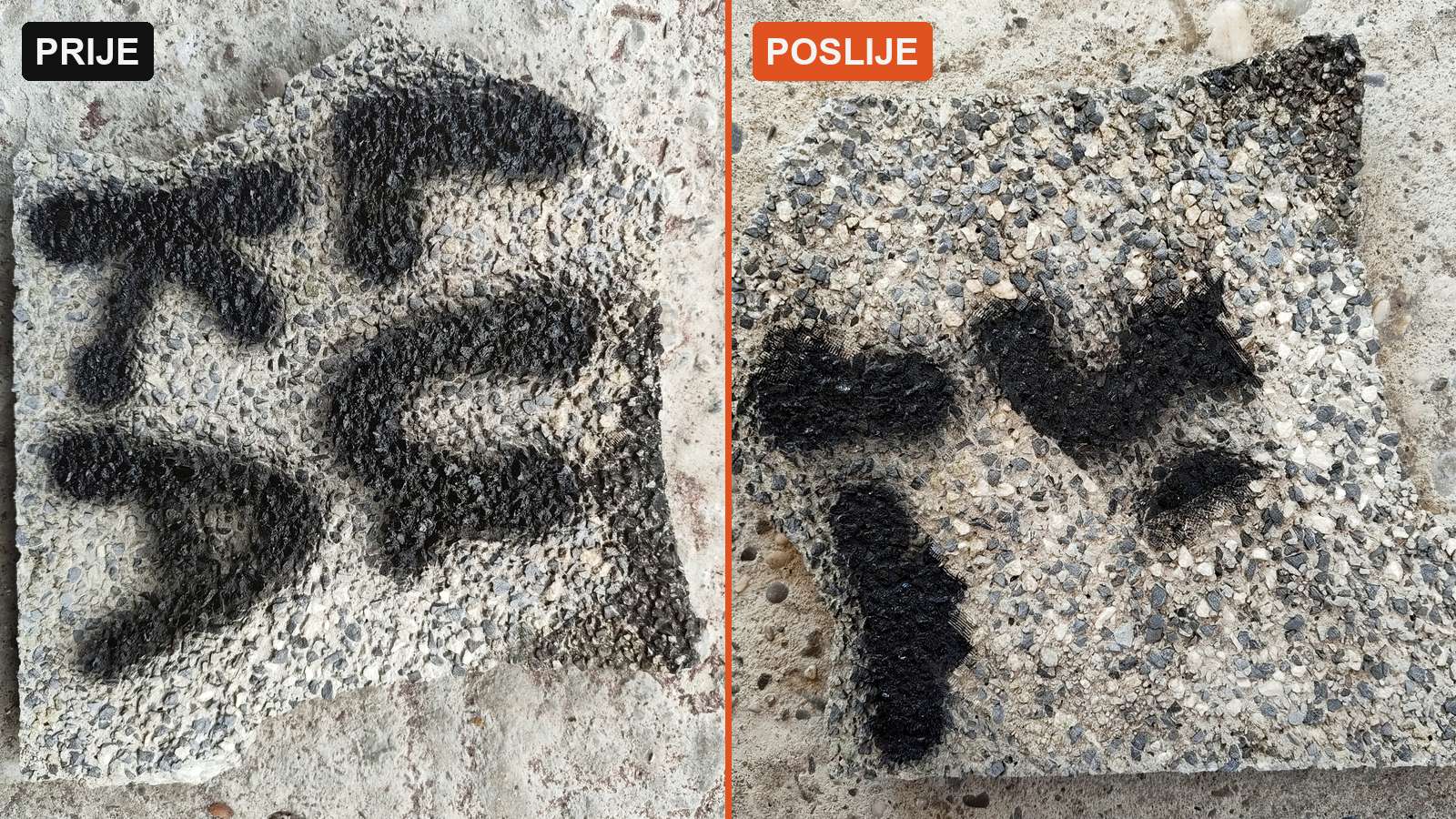
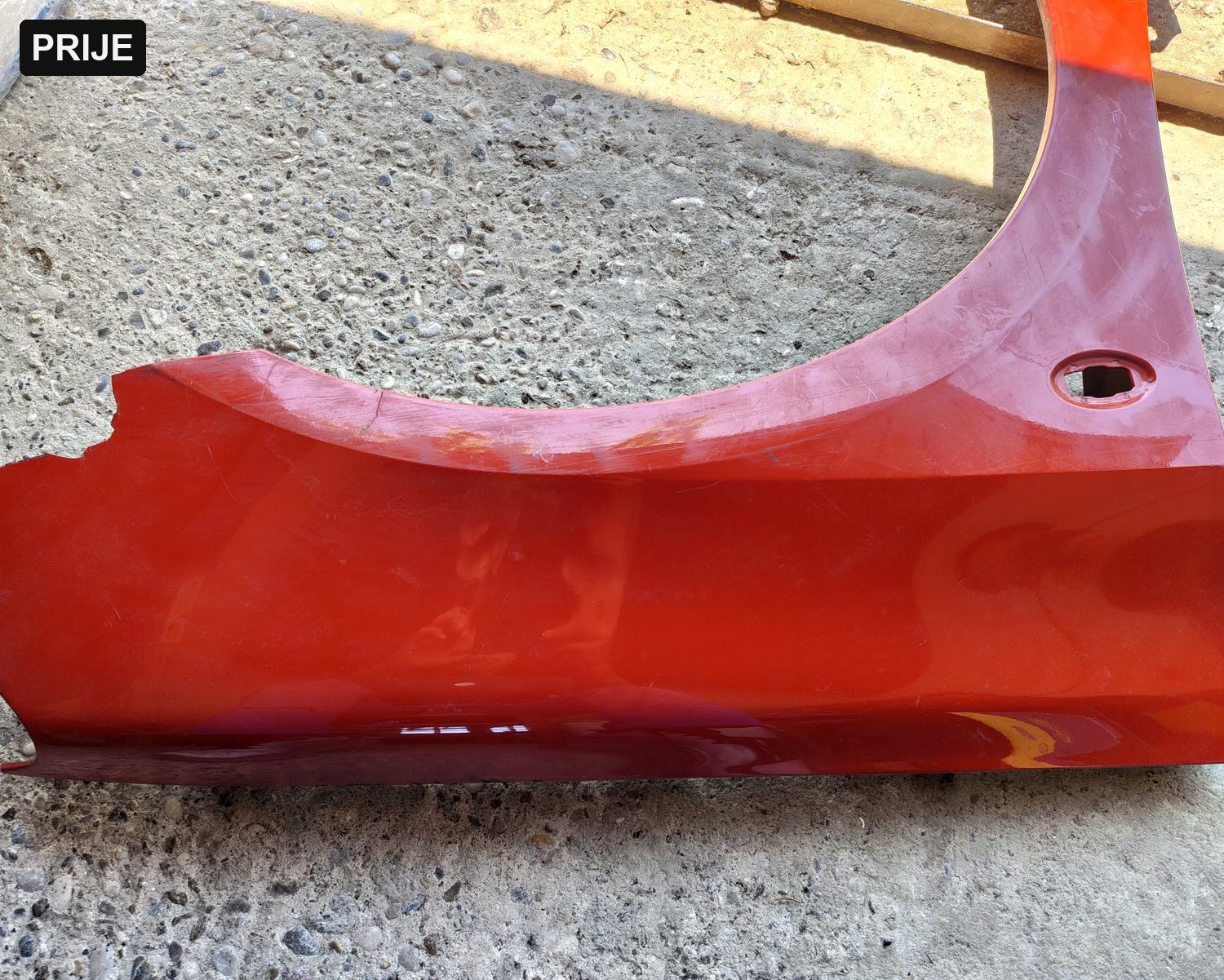
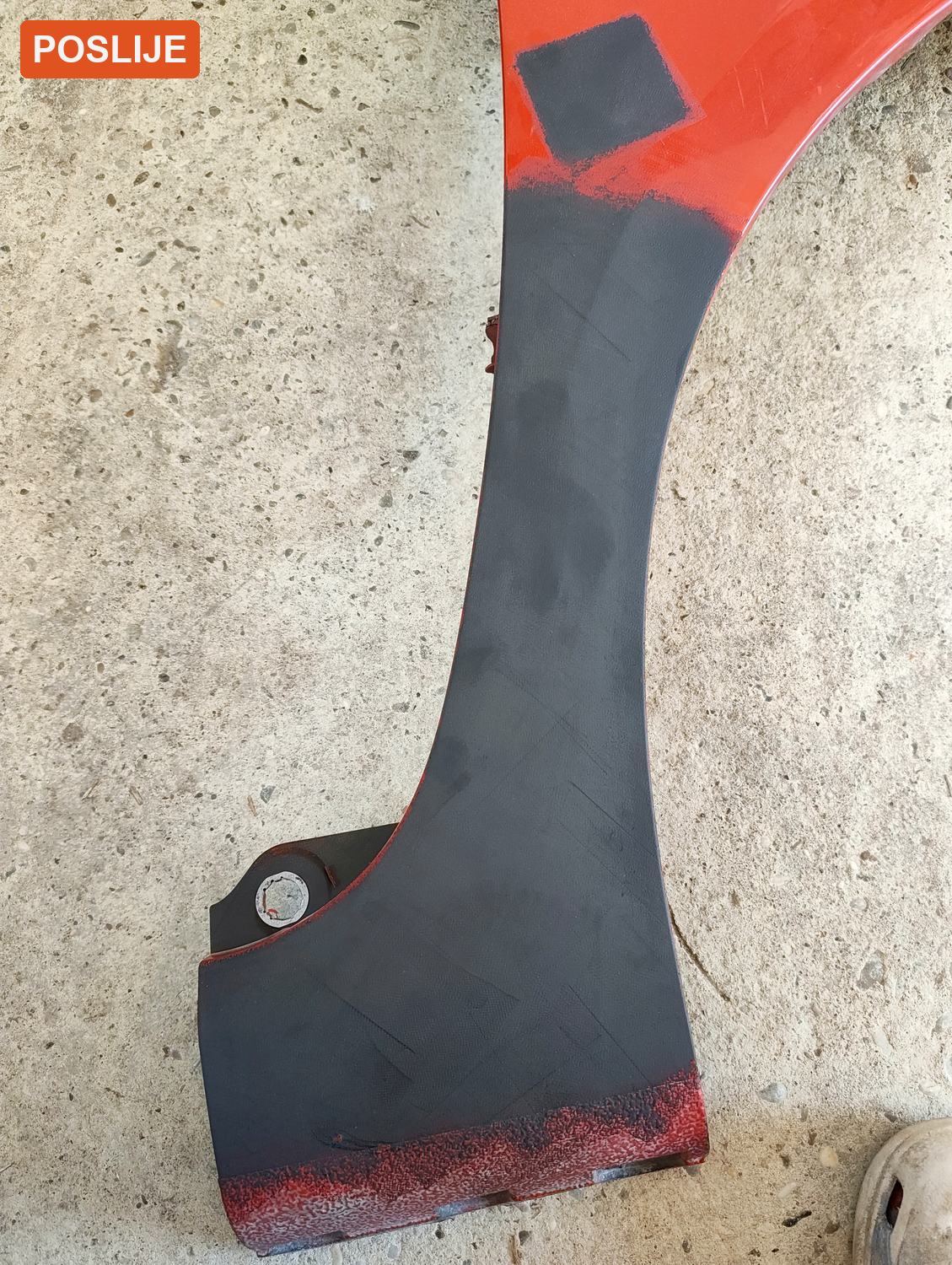
Subscribe to the EKO HVOK YouTube channel for process demonstrations, before/after comparisons, application case studies and technical walk-throughs of industrial laser cleaning technology.
Watch on YouTube ↗Interested in laser cleaning for your facility or production line? Share your application — material type, contamination, surface area, access constraints — and our team will assess suitability and respond with a clear technical and commercial proposal.